
FOR IMMEDIATE RELEASE
Projects Selected for $1.175 Million in Funding to Protect Climate‑Vulnerable Lands
Six coastal land protection projects advance Maine’s efforts to reduce flooding, storm impacts and habitat loss
Topsham, ME — February 2, 2026 — Maine Coast Heritage Trust (MCHT), in coordination with the Governor’s Office of Policy Innovation and the Future (GOPIF), today announced it has selected six organizations to receive $1,175,000 in funding through the Climate Resilience Conservation Fund (CRCF). Funding will support six land conservation projects across coastal Maine. These projects will permanently protect lands that provide critical defense against storms, flooding, erosion and other climate-related risks, safeguarding public safety, ecosystems and working waterfronts. Final awards are contingent upon National Oceanic and Atmospheric Administration (NOAA)’s due‑diligence process, which is conducted for each project before funding is officially approved.
The investments are part of a $4.1 million fund, announced in September, that MCHT will award over multiple funding rounds.
The CRCF is the land conservation component of the Climate Resilience Regional Challenge, a $69 million statewide initiative to protect coastal communities, Maine’s environment, and working waterfronts from extreme storms, flooding, and sea-level rise. The program is supported by NOAA through the Climate Resilience Regional Challenge, and is administered by MCHT in coordination with GOPIF.
“This first round of awards reflects the power of conservation as a climate solution,” said Angela Twitchell, senior director of community and government relations at MCHT. “By permanently protecting marshes, forests, headwaters and connected landscapes, these projects are a direct investment in public safety, economic resilience and quality of life. They help ensure that Maine’s communities can adapt to extreme weather while safeguarding the natural systems that protect homes, businesses and vital infrastructure.”
2025 Climate Resilience Conservation Fund Award Recipients
(see below for more comprehensive fact sheet)
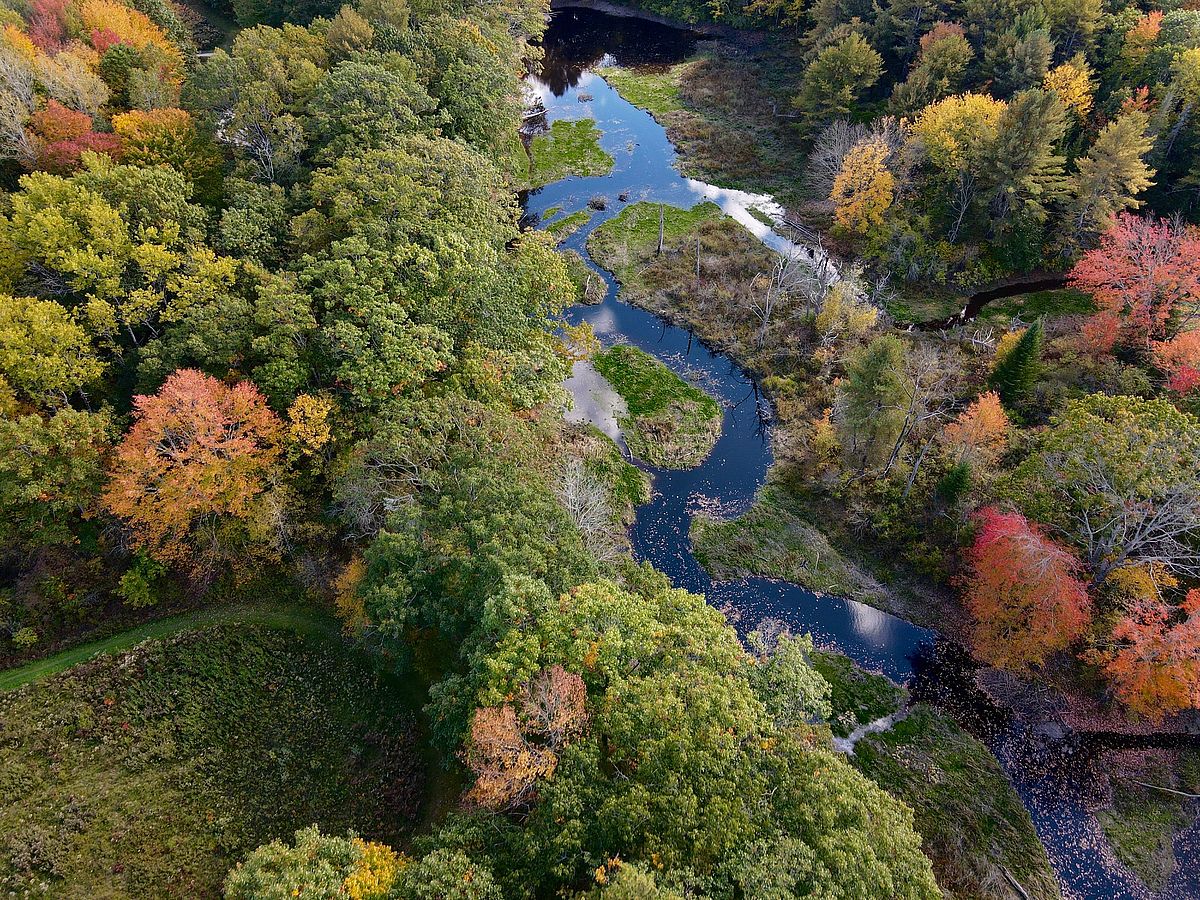
1. Coastal Mountains Land Trust – Lincolnville — $200,000
This project will permanently conserve a 55-acre property in the Ducktrap River watershed, a region critical to the recovery of endangered Atlantic salmon. The land, which includes frontage along Kendall Brook, supports important wading bird and waterfowl habitat and strengthens ecological connectivity by linking with more than 6,400 acres of conserved land.
2. Island Heritage Trust – Deer Isle — $250,000
The conservation of 77 acres in the headwaters of Meadow Brook will protect the quality of water flowing into Long Cove, an area vital to local aquaculture as well as elver and clam harvesting. The property lies within more than 3,000 acres of unfragmented forest, contributing significantly to long-term climate resilience and habitat connectivity.
3. Maine Department of Inland Fisheries & Wildlife – South Thomaston — $100,000
This project will protect a 13.4-acre inholding within the Weskeag Marsh Wildlife Management Area, a long-standing conservation priority. The parcel includes frontage along Weskeag Creek, upland buffer areas, and high-value habitat for waterfowl, shorebirds, and the endangered Saltmarsh Sparrow.
4. Coastal Rivers Conservation Trust – Bremen & Bristol — $250,000
The conservation of 551 acres will protect streams and wetlands flowing into the Pemaquid and Medomak River watersheds, which support sea-run fish and downstream coastal ecosystems. This unusually large property for the region provides strong climate resilience benefits and represents a key link in the Pemaquid Wild Pathways conservation network.
5. Kennebec Estuary Land Trust – Westport Island — $125,000
This 28-acre addition to an existing preserve in the Kennebec River watershed will protect both tidal and freshwater wetland habitats, strengthening coastal ecosystem resilience and advancing landscape-scale conservation.
6. Kennebunkport Conservation Trust – Kennebunkport — $250,000
This 18-acre project will conserve a critical parcel that fills a key gap in the Land Trust’s Emmons Preserve, protecting a healthy forested buffer along the Batson River and improving river corridor connectivity and climate resilience.
About the Climate Resilience Conservation Fund
The Climate Resilience Conservation Fund (CRCF) supports permanent land protection through acquisition or conservation easements—voluntary legal agreements between landowners and land conservation entities that protect land in perpetuity. The fund focuses on conserving and restoring lands that reduce climate-related risks while delivering additional public benefits, including clean water, flood mitigation, habitat protection, and public access to natural places.
About Maine Coast Heritage Trust
Maine Coast Heritage Trust (MCHT) advances the conservation of lands and waters in Maine to ensure ecological wellbeing and foster thriving communities. Since 1970, we have worked to guide the conservation movement and support a network of more than 80 land trusts. Together with partners, we’ve protected over 200,000 acres and 341 coastal islands, supporting the needs of people, plants, animals, and ecosystems across the coast. We’re dedicated to ensuring that our natural areas can mitigate the effects of climate change and support all people and life for generations to come. Learn more about our work and get involved at mcht.org.
Contacts:
Jennifer Melville, Climate Resilience Conservation Fund Manager
207-939-8633 | jenkmelville@outlook.com
Angela Twitchell, MCHT, Senior Director of Community and Government Relations
207-841-8342 | atwitchell@mcht.org
Linda Lidov, Director of Communications, Maine Coast Heritage Trust
207-607-4574 | llidov@mcht.org
Land Trust / Award Recipient Contacts:
Heather Rogers, Coastal Mountains Land Trust
(207) 236-7091 | heather@coastalmountains.org
Alex Drenga, Island Heritage Trust
(413) 563-6393 | alex@islandheritagetrust.org
Flora Drury, Maine Department of Inland Fisheries & Wildlife
(207) 215-6398 | flora.drury@maine.gov
Katie Beaver, Coastal Rivers Conservation Trust
(207) 563-1393 x440 | kbeaver@coastalrivers.org
Andrew Morgan, Kennebec Estuary Land Trust
amorgan@kennebecestuary.org
Tom Bradbury, Kennebunkport Conservation Trust
(207) 967-3465 | tom@kportrust.org
CAPTIONS/Photo Credits:
1. Coastal Mountains Land Trust – Lincolnville
Aerial view of the Ducktrap River watershed in Lincolnville, including frontage along Kendall Brook in the foreground. This landscape is critical to the recovery of endangered Atlantic salmon and supports important wading bird and waterfowl habitat. / photo by Eric Burr / courtesy of Coastal Mountains Land Trust
2. Island Heritage Trust – Deer Isle
Aerial view of the headwaters of Meadow Brook in Deer Isle. The project will help protect water quality flowing into Long Cove, an area vital to local aquaculture as well as elver and clam harvesting. / photo by Alex Drenga / courtesy of Island Heritage Trust
3. Maine Department of Inland Fisheries & Wildlife – South Thomaston
View of Weskeag Creek within the Weskeag Marsh Wildlife Management Area in South Thomaston. The project protects high‑value habitat for waterfowl, shorebirds, and the endangered Saltmarsh Sparrow. / photo by Bethany Atkins / courtesy of Maine Department of Inland Fisheries & Wildlife
4. Coastal Rivers Conservation Trust – Bremen & Bristol
Aerial view of a 551‑acre conservation project in midcoast Maine, encompassing streams and wetlands that flow into the Pemaquid and Medomak River watersheds. / photo by Bo Calais / courtesy of Coastal Rivers Conservation Trust
5. Kennebec Estuary Land Trust – Westport Island
View from project property on Westport Island, supporting tidal and freshwater wetland habitats and contributes to regional climate resilience. / photo courtesy of Kennebec Estuary Land Trust
6. Kennebunkport Conservation Trust – Kennebunkport
Aerial view of the Emmons Preserve in Kennebunkport, including the forested buffer along the Batson River. This 18‑acre project strengthens river corridor connectivity and enhances climate resilience. / photo by Jake Lapierre / courtesy of Kennebunkport Conservation Trust
Fact Sheet: Climate Resilience Conservation Fund — 2025/2026 Grant Recipients
Maine Coast Heritage Trust, in coordination with the Governor’s Office of Policy Innovation and the Future, announced $1,175,000 in Climate Resilience Conservation Fund grants to six conservation partners across coastal Maine. These investments protect coastal communities and high‑value habitats, strengthen watershed and coastal resilience, and support long‑term ecological connectivity.
Grant Awards Summary
- Coastal Mountains Land Trust — $200,000
- Island Heritage Trust — $250,000
- Maine Department of Inland Fisheries & Wildlife — $100,000
- Coastal Rivers Conservation Trust — $250,000
- Kennebec Estuary Land Trust — $125,000
- Kennebunkport Conservation Trust — $250,000
TOTAL: $1.175 Million
1. Coastal Mountains Land Trust — Lincolnville
Grant Award: $200,000 Project: Ducktrap River Preserve Addition (55 acres)
This project will permanently conserve 55-acres in the Ducktrap River watershed, a region critical to the recovery of endangered Atlantic salmon. The land includes frontage along Kendall Brook, supports important wading bird and waterfowl habitat, and strengthens ecological connectivity by linking with more than 2,000 acres of conserved land.
Key Benefits:
- Protects 1,580 feet of Kendall Brook, a tributary of the Ducktrap River, a federally listed Atlantic Salmon river.
- Includes 9 acres of state mapped Inland Wading Bird & Waterfowl Habitat.
- A coalition of conservation groups is working together to conserve land along the Ducktrap River, Kendall Brook and other key tributaries. This project will protect one of the few remaining unprotected riverfront tracts.
- Located within a 4,224‑acre undeveloped forest block.
- Contains soils that are important to protect as they support plant and animal diversity, as well resilience to a changing climate.
Climate Resilience Impact: Excellent ecological condition; mature riparian forest; strategic addition within a statewide conservation focus area.
2. Island Heritage Trust — Deer Isle
Grant Award: $250,000 Project: Fussiner Property (77 acres)
The conservation of 77 acres in the headwaters of Meadow Brook will protect water quality flowing into Long Cove, an area vital to local aquaculture as well as elver and clam harvesting. The property lies within more than 3,000 acres of unfragmented forest and within a Statewide Focus Area of Ecological Significance, contributing significantly to long-term climate resilience and habitat connectivity.
Key Benefits:
- Protects land within the headwaters of Meadow Brook, improving water quality flowing into Long Cove.
- Includes over 25 acres of state mapped Inland Waterfowl and Wading Bird Habitat,
- Supports local aquaculture, elver harvesting, and shellfish resources.
- Located within 3,000+ acres of unfragmented forest.
Climate Resilience Impact: Enhances long‑term habitat connectivity and strengthens watershed‑scale resilience in a coastal community.
3. Maine Department of Inland Fisheries & Wildlife — South Thomaston
Grant Award: $100,000 Project: R. Waldo Tyler WMA Addition (13.4 acres)
This project will protect a small but essential inholding within the 900+ acre Weskeag Marsh Wildlife Management Area, a long-standing priority for conservation organizations and the state of Maine. The parcel includes frontage along Weskeag Creek, upland buffer areas, and high-value habitat for waterfowl, shorebirds, and the endangered Saltmarsh Sparrow.
Key Benefits:
- Protects a critical inholding within the Weskeag Marsh Wildlife Management Area.
- Lies within the Weskeag Creek Focus Area of Statewide Ecological Significance.
- Conserves tidal habitat that helps protect downstream communities from rising sea levels and climate related storm surge.
- Supports waterfowl, shorebirds, and the endangered Saltmarsh Sparrow.
Climate Resilience Impact: Strengthens management of one of Maine’s most important tidal marsh systems; enhances marsh migration potential and coastal habitat integrity.
4. Coastal Rivers Conservation Trust — Bremen & Bristol
Grant Award: $250,000 Project: Hart Woods (551 acres)
The conservation of 551 acres will protect streams and wetlands flowing into the Pemaquid and Medomak River watersheds, which support sea-run fish and downstream coastal ecosystems. This unusually large property for the region provides strong freshwater and land-based climate resilience benefits and represents a key link in the land trust’s Pemaquid Wild Pathways Initiative. .
Key Benefits:
- Protects streams and wetlands feeding the Pemaquid and Medomak River watersheds.
- Includes a heron rookery and 62 acres of state mapped Inland Waterfowl and Wading Bird Habitat.
- Supports sea‑run fish and downstream coastal ecosystems.
- One of the largest remaining undeveloped tracts in the region.
Climate Resilience Impact: Is a critical node and strengthens connections within the Pemaquid Wild Pathways Initiative; high‑value landscape‑scale resilience and habitat connectivity.
5. Kennebec Estuary Land Trust — Westport Island
Grant Award: $125,000 Project: KELT Preserve Addition (28 acres)
This 28-acre addition to an existing preserve in the Kennebec River watershed will protect both tidal and freshwater wetland habitats, strengthening coastal ecosystem resilience and advancing landscape-scale conservation.
Key Benefits:
- Expands an existing preserve in the Kennebec River watershed.
- Lies within Kennebec Estuary Focus Area of Statewide Ecological Significance.
- Protects tidal and freshwater wetlands vital community resilience as well as migratory birds and coastal wildlife.
- Strengthens landscape‑scale conservation in a climate‑vulnerable estuary.
Climate Resilience Impact: Enhances wetland resilience and water‑quality protection; supports long‑term ecological connectivity in a priority coastal region.
6. Kennebunkport Conservation Trust — Kennebunkport
Grant Award: $250,000 Project: Batson River Connector (18 acres)
This 18-acre project will conserve a critical parcel that fills a key gap in the land trust’s Emmons Preserve, protecting a healthy forested buffer along the Batson River and improving river corridor connectivity and climate resilience.
Key Benefits:
- Fills a key gap in the Emmons Preserve.
- Protects forested buffer along the Batson River.
- Improves river corridor connectivity.
- Lies within the Biddeford-Kennebunkport Coastal Forest Focus Area of Statewide Ecological Significance.
Climate Resilience Impact: Enhances flood resilience and riparian habitat stability; strengthens a regional conservation hub in a rapidly developing coastal area.