
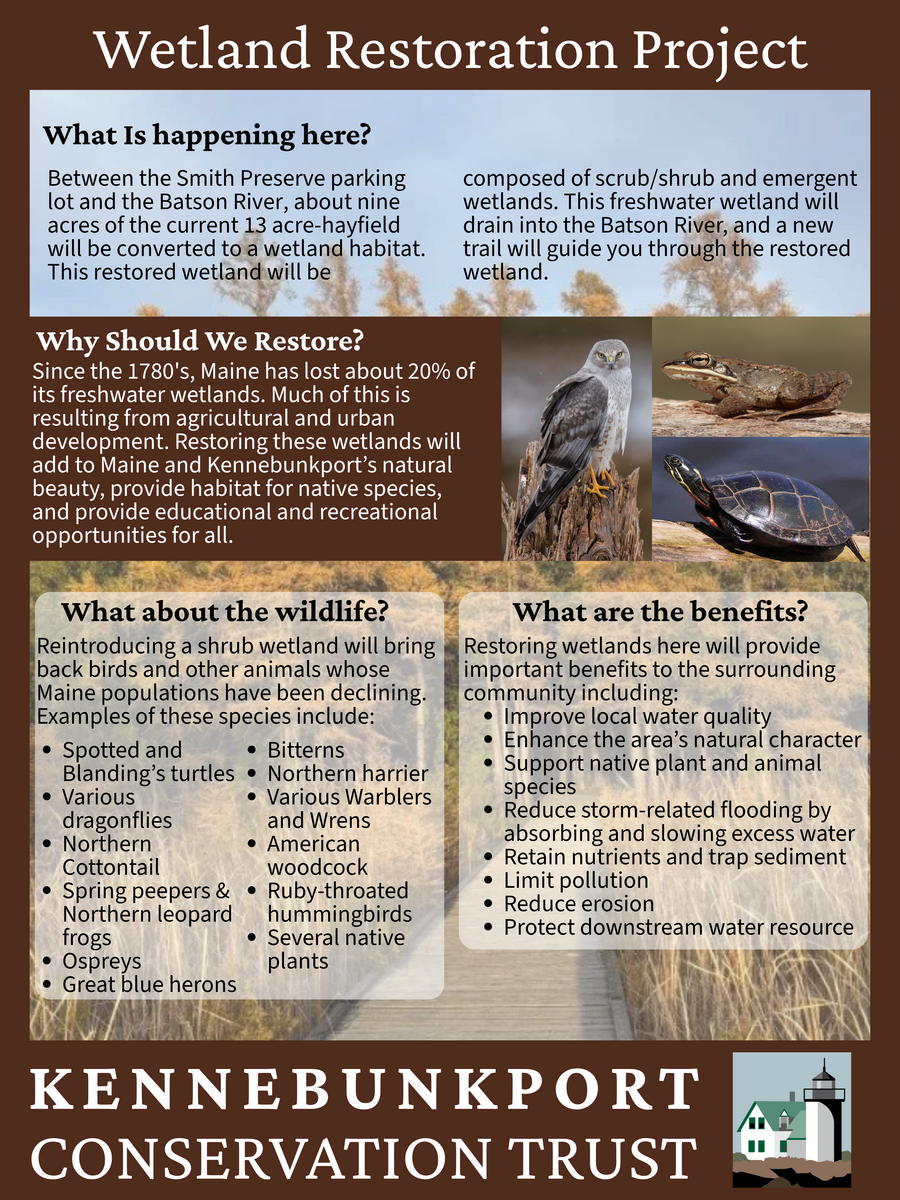
Since the 1780's, Maine has lost about 20% of its freshwater wetlands. Much of this was due to agriculture, development, and forestry. The state of Maine recognizes the importance of wetlands and has worked hard to ensure that we are mitigating impacts made to these ecosystems. In 2007, Maine DEP and The Nature Conservancy partnered to start what is called the In-Lieu Fee program. This program provides developers and others who need to impact wetlands with the option of paying a financial fee to the Maine DEP instead of more challenging mitigation approaches, which had included creating or restoring wetlands to make up for the loss. The fee paid to the state is then utilized through the Maine Natural Resources Conservation Program (MNRCP) to have experts identify prime areas to restore wetlands.
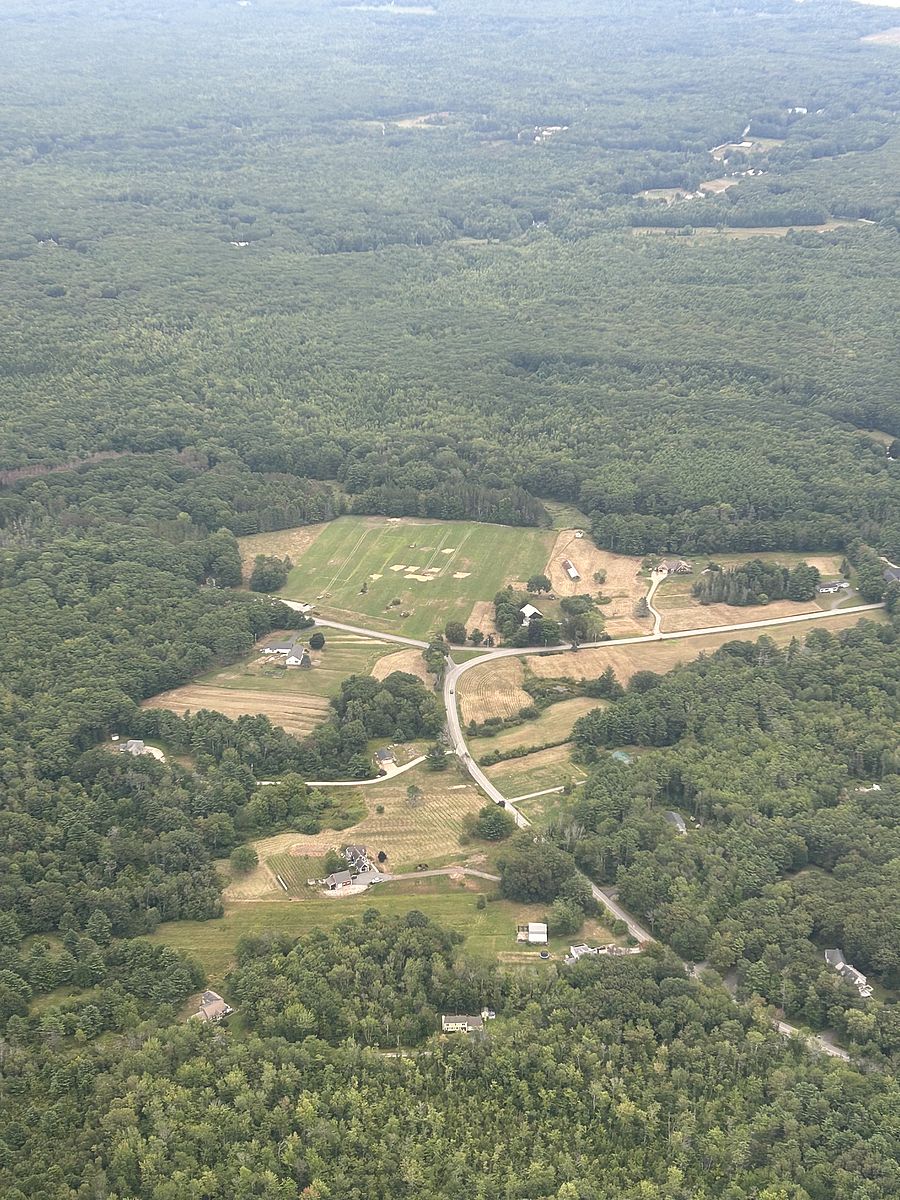
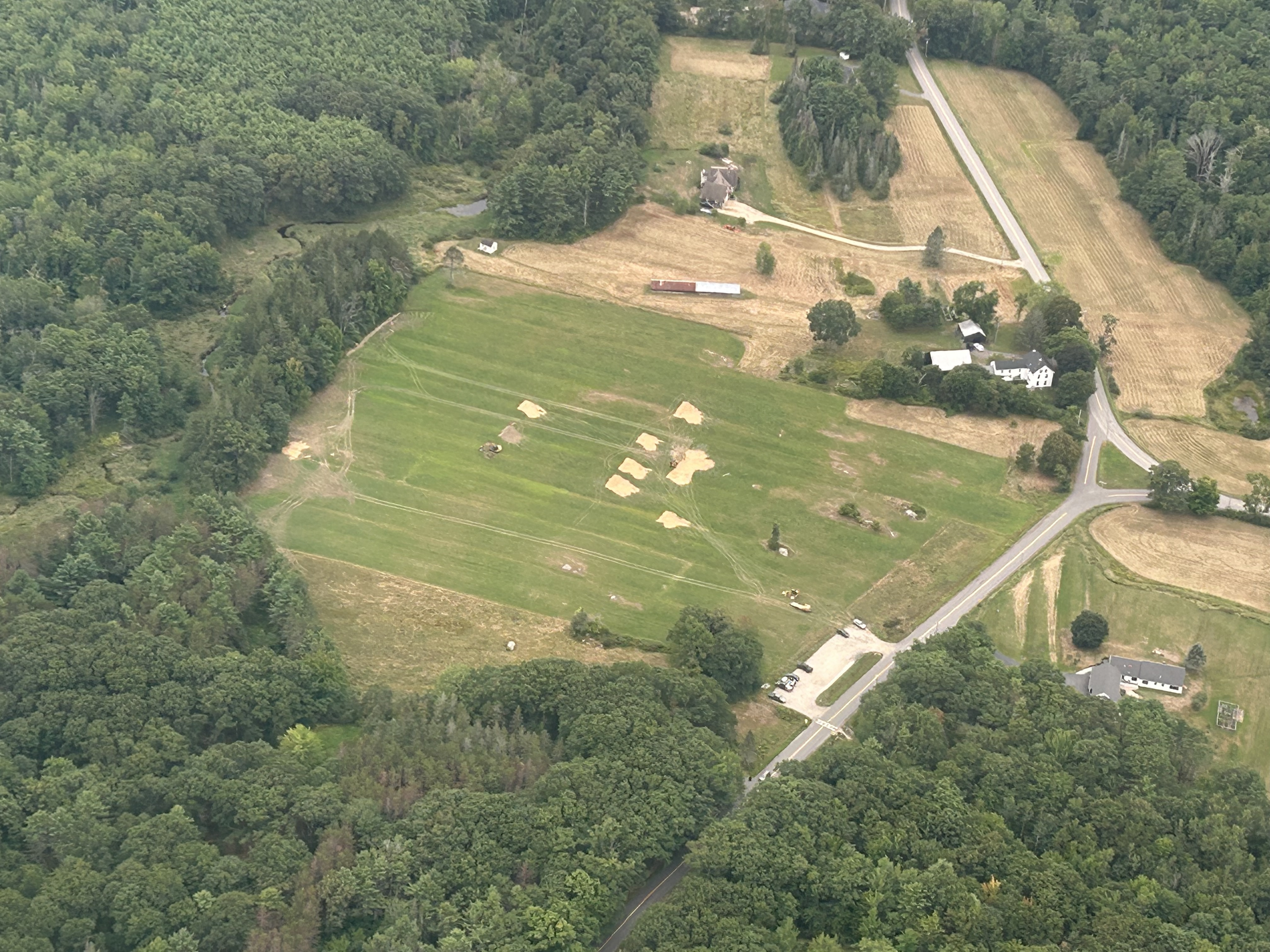
MNRCP identified KCT’s 13-acre hayfield located between the Batson River and the Smith Preserve Parking Lot as an ideal location to restore a wetland as prior to its agricultural use it was a freshwater wetland. We call this restoration because we are restoring the land back to the state it was prior to human impacts. While we don’t know exactly what the land looked like prior to the ditching and draining done by people of the past, we do know that the area held water! This newly restored habitat will include scrub/shrub and emergent wetland. Scrub/shrub wetlands tend to look like their name, scrubby and shrubby! This means that there will be woody shrubs like Winterberry and Willow throughout the area along with other water loving vegetation such as Spotted Joe Pye Weed, Swamp Milkweed, and the typical sedges you see in wet areas. This freshwater wetland will drain into the Batson River, and a new trail will guide you through the restored wetland.
Reintroducing a scrub/shrub wetland will bring back birds and other animals whose Maine populations have been declining. Examples of these species could include Spotted and Blanding’s turtles, various dragonflies, Northern cottontail, spring peepers & Northern leopard frogs, Ospreys, Great blue herons, Bitterns, Northern harrier, various warblers and wrens, American woodcock, and even Ruby-throated hummingbirds! It will take years for the wetland to settle in and live up to its full potential, and KCT will be monitoring the project for the next five years. Once established, this wetland will not only serve the local wildlife, but our community too. Wetlands improve local water quality by reducing storm-related flooding by absorbing and slowing excess water, retaining nutrients and trapping sediment making our water cleaner, all ultimately protecting downstream water resources. We are excited to follow the progress of our restoration project into the future, and we will be sure to share with you what we observe as species move into this improved habitat.